
Atmospheric Rivers Bring Significant Rainfall and Flooding to Pacific Northwest
Atmospheric rivers, described as large bands of water vapor in the sky, are dumping significant amounts of water on Washington and Oregon, leading to heavy rains and flooding in the Pacific Northwest.

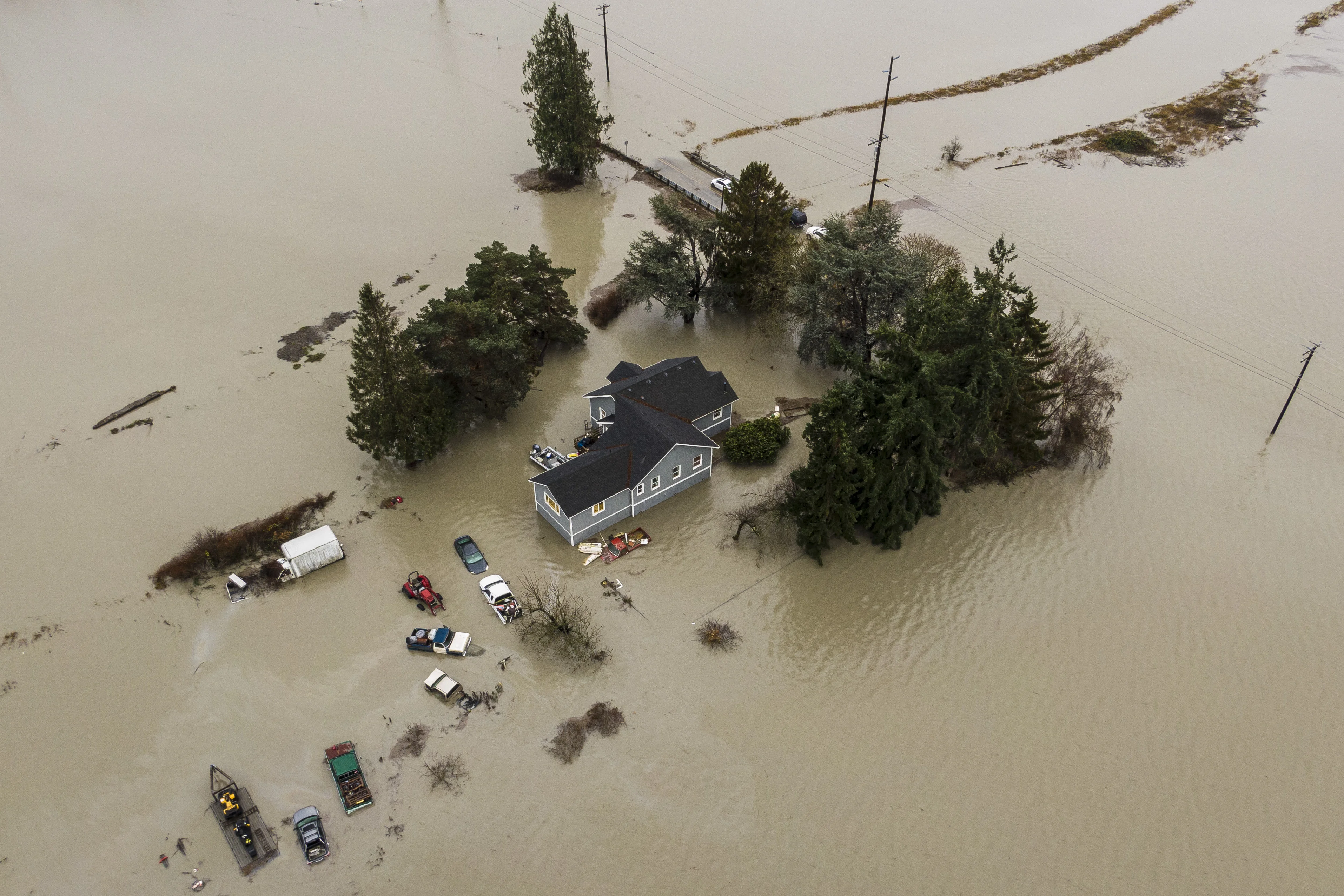
 Baton Rouge, LA, November 13, 2026 — Atmospheric rivers, a phenomenon characterized as extensive bands of water vapor in the atmosphere, are currently delivering substantial volumes of precipitation to the Pacific Northwest region. Washington and Oregon are experiencing the brunt of this weather pattern, which is resulting in widespread heavy rainfall and subsequent flooding across various areas.
The term ‘atmospheric river’ refers to long, narrow regions in the atmosphere that transport most of the water vapor outside of the tropics. These systems can carry large quantities of water, comparable to the average flow of the Mississippi River, over thousands of miles. When these ribbons of moisture make landfall, they can release their stored water in the form of intense rain or snow.
In Washington and Oregon, the current atmospheric river events are leading to significant accumulations of water, contributing to saturated ground conditions and overflowing waterways. Reports indicate that the heavy rains are a direct consequence of these powerful atmospheric channels. The full extent of the flooding, including specific locations, depths, and any associated impacts on infrastructure or communities, was not detailed in the available information. Similarly, the duration of these atmospheric river events and the total amount of rainfall expected or already recorded are not specified.
The National Weather Service and other meteorological agencies often monitor atmospheric rivers due to their potential for severe weather. While these events are crucial for replenishing water supplies in regions like the West Coast, they can also pose risks of flash floods, landslides, and urban flooding when precipitation is excessively heavy.
Information regarding the specific names of the atmospheric rivers, the exact dates or timeline of the current events beyond their ongoing nature, or any official advisories or warnings issued by local or federal agencies was not provided. The contractors involved in any related storm response efforts, the amounts of any fines issued for weather-related damage or code violations, or any subsequent actions taken by authorities are also not available in the trend summary.
Residents in the affected areas are advised to stay informed about local weather alerts and flood warnings issued by official sources. The long-term implications of this significant rainfall for water resources and potential environmental impacts are not yet fully detailed.
Story summarized from the original created by Ava Berger on www.npr.org, see more information here.
Media gallery

